
You and your wife know what you’ve been through – she was there from the very start. But what you’re never prepared for is the moment you’re left alone. People tell you that you’re not alone, but there are so many times you really are.
Those sleepless nights when your head is full of thoughts. Sitting on the sofa staring at the TV but not watching. Driving but having to stop because you can’t concentrate. Trying to work, but your mind is drifting. I remember being in the shower and just crying – the thought of not seeing my kids grow up broke my heart.
One thing I learnt very quickly: I had to deal with this. It wasn’t going away.
The impact on my family
This diagnosis wasn’t just tough for me – it was incredibly hard for my wife and family. We had to understand the options and the risks. For my wife, the decision seemed clear. My mind, however, was fogged with fear
 and confusion.
It was also my 40th birthday around this time, in February. My wife, Kerry, had arranged a surprise party. Being there, knowing what was going on in the background, was extremely difficult. We also had family holidays booked, which we had to cancel. I felt guilty – this was my fault.
Meeting the specialists
After the diagnosis on 2nd March, the kidney cancer specialist referred me to a urologic surgeon. The doctor came highly recommended – “the best,” we were told. Thanks to Kerry’s perseverance, I had an appointment the very next day with Dr Patki.
The scan showed a 2cm tumour. Normally, this would mean a partial nephrectomy (removing only part of the kidney) would be the obvious choice. However, my tumour was sitting on the main artery and potentially breaching the margins. That brought two huge risks:
- The surgeon might not be able to remove it all.
- Or, worse, he could nick the artery during surgery – a life-or-death situation.
Although the doctor was confident in his skills, the risks felt too high.
He went on holiday shortly after, telling us the tumour was slow-growing and giving us time to think. But the idea of waiting four weeks was agonising.
Considering the options
A week later, I had a call with a cryotherapy specialist, Dr Walkden. He was confident he could freeze the tumour, but first a biopsy would be needed. I’d researched extensively and knew biopsies carried risks: they can sometimes spread cancer cells, or return false negatives. Even if cryotherapy worked, the idea of still having a tumour inside me – even a dormant one – filled me with anxiety.
After late nights of research and countless conversations on kidney cancer support pages, Kerry and I decided the best option was a total nephrectomy – removal of the whole kidney. It felt extreme for a 2cm tumour, but with my Bosniak score at 4 (a high risk), it gave the best chance of survival.
We booked the surgery for 29th April 2022.
Talking to my family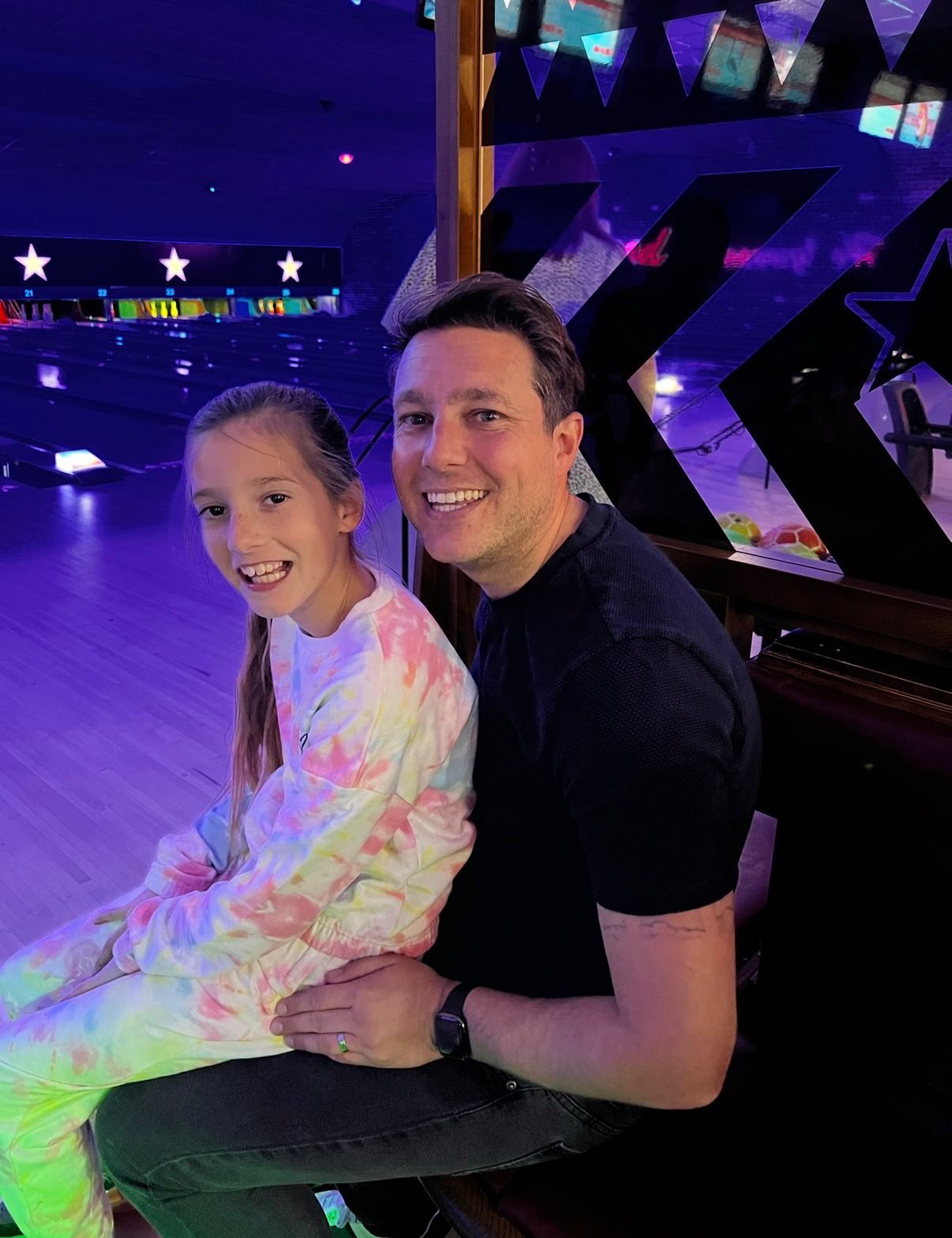
Telling my family was one of the hardest parts.
My youngest daughter, Belle, was too little to understand. I chose not to use the word “cancer” – I just told her I needed an operation and I’d be home soon.
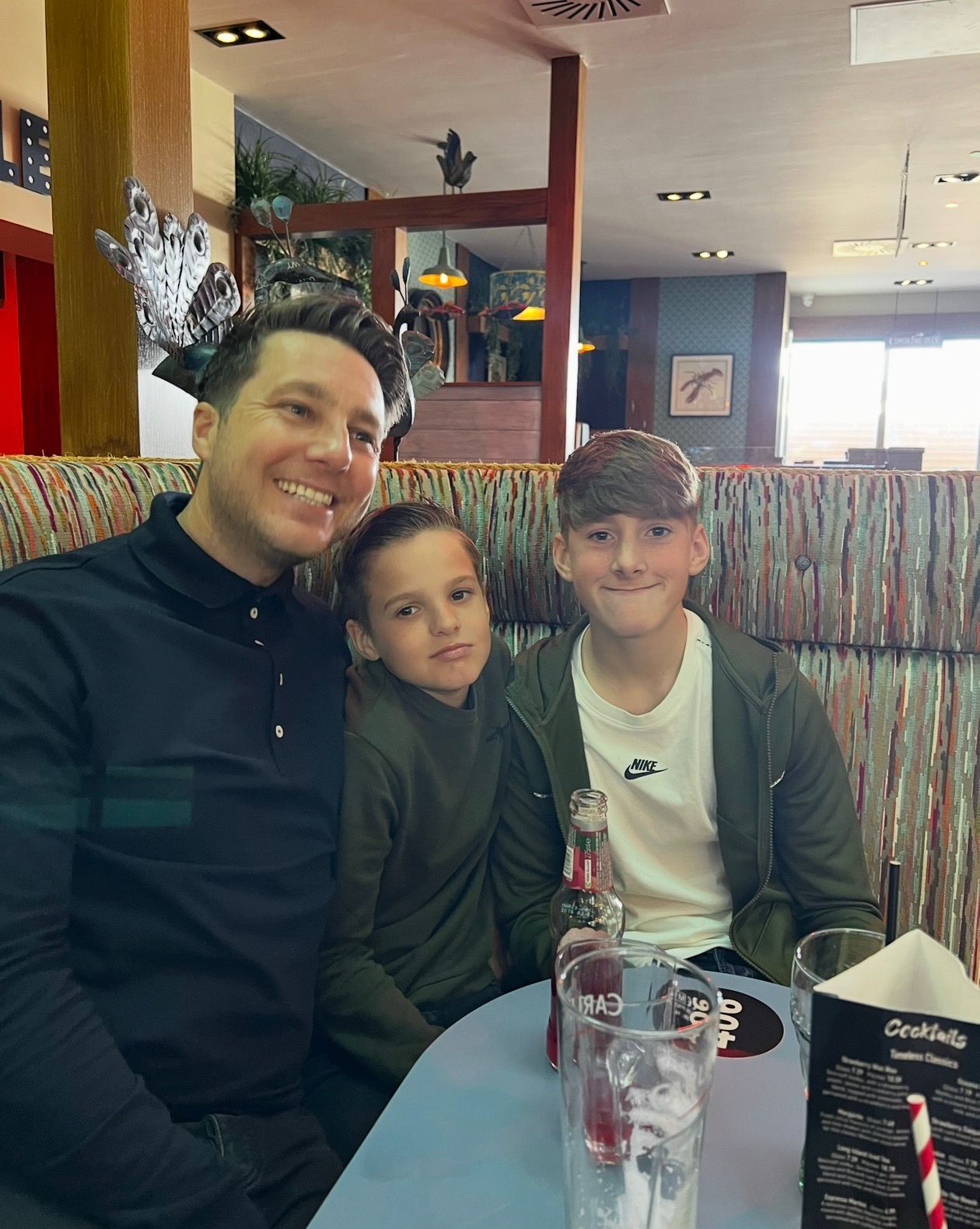
Archie, a little older, sensed something was wrong. We didn’t need to use the word, but I explained I wasn’t well, and the doctors would make me better.
With Jaiden, my eldest at 15, I had to be more honest. We sat in the garden – me, Kerry, and him. I explained the diagnosis, the options, and the risks. I told him that the operation was routine for the doctors, but that sometimes things can go wrong. I also told him how proud I was of him, and that if anything happened to me, I knew he’d look after his family. Writing this even now brings tears to my eyes.
The day of surgery
On 29th April, during the Covid restrictions, Kerry dropped me at the hospital. Saying goodbye was gut-wrenching.
The staff were amazing and kept me as calm as they could. My blood pressure was very high – no surprise, given I was about to have surgery to remove a cancerous tumour.
The last words I remember: “Paul, start counting back, you’re going to get sleepy.”
When I woke up, I was connected to machines. Something hadn’t gone smoothly. My blood pressure had become dangerously high during the operation, and they had even phoned Kerry for information while I was on the table. Thankfully, the surgeons managed to stabilise me and complete the radical nephrectomy successfully.
Recovery and support
My first thought after surgery: recovery.
Kidney Cancer UK contacted me early on, offering counselling. At first, I resisted. The word “counselling” made me uncomfortable – I thought I could just cope. But the truth was, I couldn’t. I kept everything bottled up, overthinking, letting the dark clouds take over my headspace.
In June, I finally reached out to Kidney Cancer UK. Speaking with Carolyn made a huge difference. I used to walk while talking to her on the phone – walking became part of my therapy and recovery.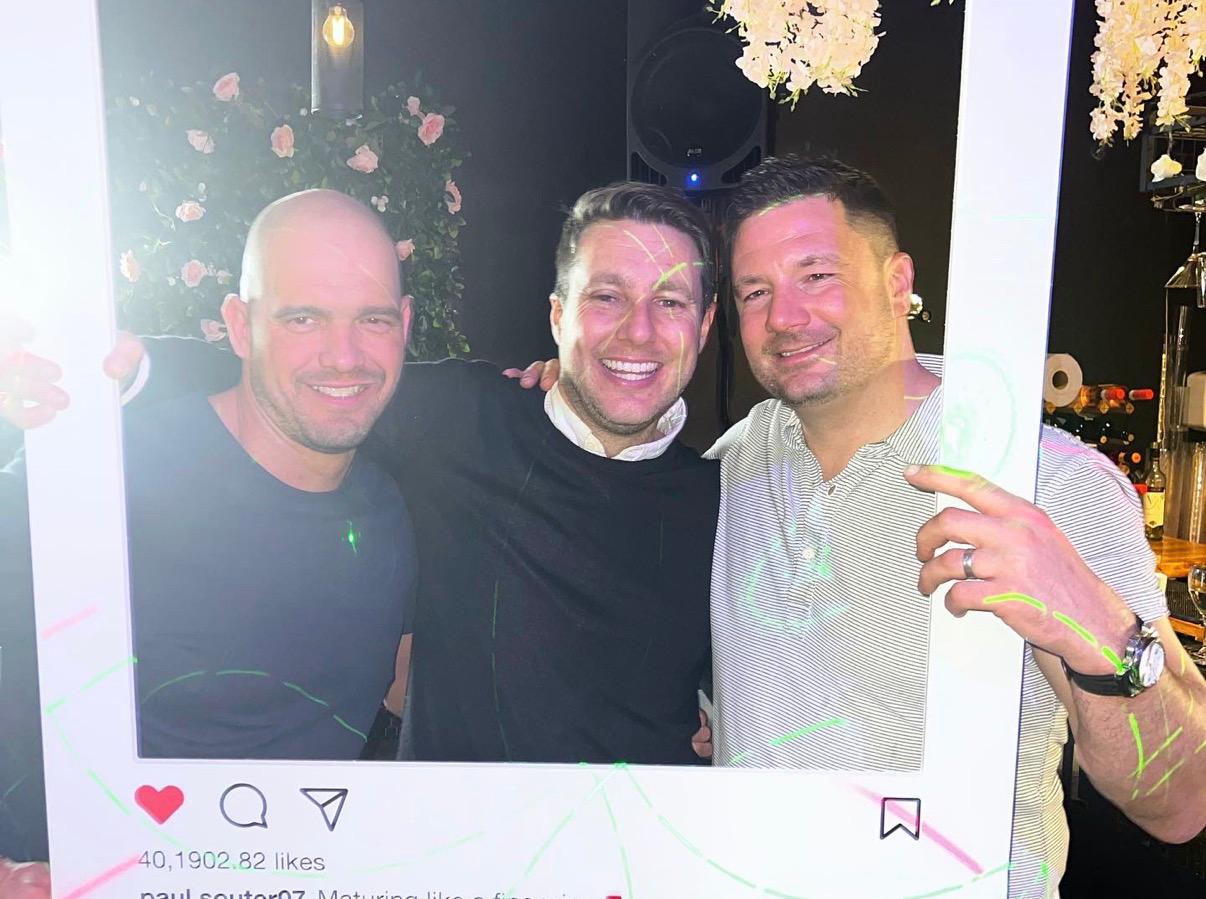
I often describe my mental health like this: I’d wake up with blue skies in my head, but throughout the day, dark clouds would slowly roll in until the sky was black. With support, I learnt how to manage those thoughts and find my blue sky again.
Talking helped. My family helped. And little things, like playing golf, helped me too.
I’m grateful for Kidney Cancer UK
Everyone’s kidney cancer journey is different. Treatments vary, and decisions must be based on your individual diagnosis and in consultation with your specialists. Be open and honest about your thoughts and fears – it’s the only way to reach the best decision for you.
I’m grateful to Kidney Cancer UK for the counselling and support they provided. Without it, I wouldn’t have coped as well as I did.
Now, I focus on recovery, my family, and making the most of every day.


