
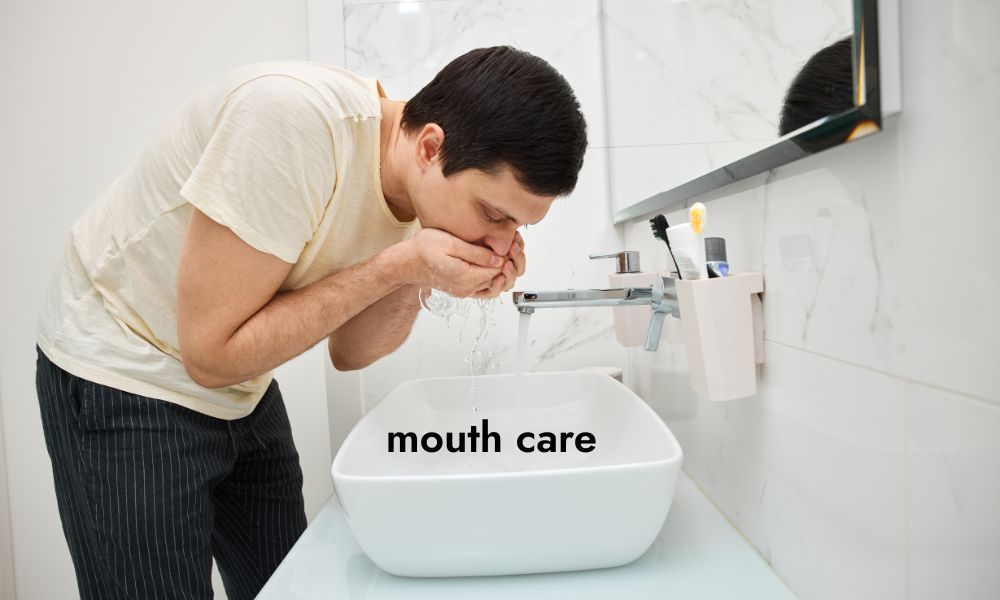
Cancer treatments can affect your mouth and dental health, so it is important to get a dental check-up before starting therapy.
Cancer treatments for kidney cancer can affect the mouth, teeth, gums, throat, and salivary glands. These changes can be uncomfortable and, at times, distressing, impacting patients’ quality of life, nutritional statuses, and adherence to therapy. Still, they are well-recognised side effects and can usually be prevented, reduced, or treated with good mouth care and early support from your healthcare team.
This article explains why mouth problems happen, what symptoms to look out for, and practical steps you can take to protect your oral health during treatment.
Why kidney cancer treatments affect the mouth.
Treatments such as immunotherapy (e.g. Nivolumab, Pembrolizumab) and targeted therapies (e.g. Cabozantinib) work by affecting cancer growth, blood supply, or the immune system.
However, these treatments can also affect healthy cells that renew themselves quickly, such as:
- The lining of the mouth and throat.
- Salivary glands.
- Blood vessels that support healing.
- The immune balance in the mouth.
As a result, you may notice soreness, dryness, ulcers, changes in taste, infections, or slower healing. Not everyone will experience these side effects, and their severity varies from person to person.
Common mouth problems during kidney cancer treatment
Sore mouth, ulcers, and inflammation (mucositis or stomatitis)
Mucositis means inflammation of the lining of the mouth and throat. It can range from mild soreness to painful open ulcers.
You may notice:
- Red, shiny, or swollen areas inside the mouth.
- White patches that may turn into ulcers.
- Pain or burning, especially when eating or drinking.
- Difficulty swallowing or speaking.
- Increased risk of mouth infections
Mucositis can affect your quality of life and make it harder to maintain nutrition and hydration. For more serious conditions, it may be necessary to provide pain relief or schedule breaks in treatment to support the healing process.
Dry mouth (xerostomia)
Dry mouth occurs when salivary glands produce less saliva or the saliva becomes thick and sticky. Saliva is essential for:
- Protecting teeth from decay.
- Preventing infections.
- Helping with chewing, swallowing, and speech.
Symptoms of a dry mouth include:
- A constant dry or thick stringy saliva.
- Cracked lips or corners of the mouth.
- Difficulty chewing, swallowing, or speaking.
- Changes in denture fit.
- Increased dental problems.
While dry mouth often gets better once treatment ends, it can linger for some individuals and may require continued care.
Taste changes (dysgeusia)
Cancer treatment can alter how taste buds work and how saliva interacts with food. Foods may:
- Taste metallic, bitter, bland, or unpleasant.
- All taste the same.
- Leave an aftertaste, especially protein foods like meat.
Taste changes can reduce appetite and contribute to weight loss or poor nutrition. Although frustrating, these changes are usually temporary. We have several helpful booklets available HERE, including one on Lifestyle and Diet.
Bleeding gums and delayed healing
Targeted therapies that affect blood vessels can increase the risk of:
- Bleeding gums.
- Gum inflammation.
- Slower healing after minor mouth injuries
This highlights the importance of ensuring that oral care is delivered gently.
Jawbone problems (rare)
In a very small proportion of cases, a rare but serious condition called osteonecrosis of the jaw can occur, particularly after dental extractions or invasive dental procedures. The risk is low, but higher if:
- You are having certain targeted treatments.
- You take bone-strengthening medicines.
- Dental problems are present before treatment.
For this reason, it is highly advised to have a dental examination prior to any treatment.
Preventing mouth problems: daily mouth care
Brushing and cleaning
- Brush your teeth at least twice daily, ideally after meals and before bed.
- Use a soft or extra-soft toothbrush.
- Use a mild, non-abrasive toothpaste, avoid toothpaste using whiteners or other additives.
- If brushing is painful, just rinse your mouth and speak to your specialist nurse or dentist for alternatives such as a foam mouthcare stick or a piece of gauze to dip in mouthwash.
- Check your mouth daily for changes and report symptoms such as persistent sores, bleeding, or signs of infection as early intervention is critical to prevent complications and maintain adherence to cancer therapy.
Mouth rinses
Rinse your mouth regularly, especially after meals and before bed:
- Avoid commercial mouthwashes that contain alcohol, as they can worsen dryness and irritation
- Your healthcare team may prescribe medicated mouthwashes to address specific side effects
- Saltwater mouthwash (temporary/used in moderation oral rinse). Speak to your specialist team to check if this is suitable for you and if so, the recommended concentrations. Be cautious when using any saltwater mouthwash because of its sodium content. *DO NOT SWALLOW
- Sodium bicarbonate mouthwash (temporary/used in moderation oral rinse). Speak to your specialist team to check if this is suitable for you and if so, the recommended concentrations. Be cautious when using any sodium bicarbonate mouthwash because of its sodium content. *DO NOT SWALLOW
- For consistency and safety, professionally prepared mouthwashes (on prescription) are preferred over homemade versions for therapeutic use.
Denture care
- Remove dentures at night.
- Clean them thoroughly every day.
- Avoid wearing dentures if your mouth is very sore.
- Report loose or painful dentures promptly.
- Remove whenever possible to expose gums to air.
Managing symptoms if they occur
For mouth pain and ulcers
- Tell your doctor or nurse early – do not wait.
- Medicated mouthwashes, protective gels, or topical treatments may be prescribed
Effective pain management strategies can be customised to improve comfort and ease when eating and drinking.
It is important to evaluate severe pain without medical delay.
For dry mouth
- Sip water frequently.
- Ice pops or sucking ice chips may help (unless advised otherwise by your specialist nurse)
- Chew sugar-free gum or suck sugar-free sweets.
- Use saliva replacement products (if recommended/prescribed by your specialist team)
- Avoid caffeine, alcohol, and tobacco.#
- Keep lips moist with a water-based lip balm (if you are having oxygen or radiotherapy, you MUST not use lip balms such as Vaseline as they are petroleum-based). Your clinical nurse specialist/radiotherapy team can advise you about this.
Eating and drinking comfortably
- Choose soft, moist foods.
- Add gravies, sauces, or yoghurt to meals.
- Avoid spicy, acidic, salty, or rough foods if sore and avoid citrus fruit juices.
- Let food cool before eating.
- Eat little and often if large meals feel difficult.
- Keep hydrated during the day with fluids, especially water.
- Fluids sipped through a straw can be easier to drink.
A dietitian can help if appetite or weight becomes a concern.
Dental care and cancer treatment
- Have dental problems treated before starting treatment, where possible.
- Always tell your dentist you are undergoing cancer treatment.
- Avoid dental extractions or invasive procedures during treatment unless your oncology team agrees.
- Report any dental pain, swelling, or loose teeth immediately.
When to contact your healthcare team urgently
Contact your doctor or nurse if you experience:
- Mouth pain that interferes with eating or drinking
- Ulcers or sores that do not improve.
- Bleeding gums or signs of infection.
- White patches or discharge in the mouth.
- Fever, chills, or feeling unwell/ temperature above 38 degrees.
- Rapid weight loss due to mouth problems.
- Have uncontrolled pain.
- Frequently cough while eating or drinking.
Prompt treatment can prevent complications and help you stay on track with cancer treatment.
Mouth problems during kidney cancer treatment are common, recognised, and treatable. You do not have to manage these challenges by yourself; your specialist healthcare team can offer effective treatments, reassurance, and practical support.
If something feels wrong or if symptoms are affecting your daily life, it is always appropriate to ask for help.
Resources
- https://www.mylifehouse.org.au/wp-content/uploads/2016/03/Head-and-Neck-Mouth-Care_Web.pdf
- https://www.cancerresearchuk.org/about-cancer/coping/physically/mouth-problems/mouth-care
- https://www.macmillan.org.uk/cancer-information-and-support/impacts-of-cancer/mouth-problems
- https://www.cancer.gov/about-cancer/treatment/side-effects/mouth-throat/oral-complications-pdq
- https://www.england.nhs.uk/long-read/oral-healthcare-provision-for-cancer-pathways/
- https://www.maggies.org/support-information/living-with-cancer/managing-symptoms-and-side-effects/mouth-care-and-cancer/?
- ad_source=1&gad_campaignid=10430973351&gbraid=0AAAAAD3A1jF2OQqzW5O0nNIRFy7R9-WaA&gclid=EAIa
- https://www.rcseng.ac.uk/-/media/Oral-health-care-for-patients-having-cancer-treatment.pdf
- https://www.sciencedirect.com/science/article/pii/S2772906025000123
- https://pmc.ncbi.nlm.nih.gov/articles/PMC10690551/


